
Smoke Detector Installation in Denver, CO
A smoke detector only protects you if it’s the right type, in the right place, and actually working, and most homes we visit miss at least one of the three. Our smoke detector installation service covers homes and rental properties across the Denver metro, placing every unit where code requires, wiring it for battery backup where the house allows, and testing the full system before we leave.
Where Code Requires Smoke Detectors in a Denver Home
Code requires a smoke detector inside every bedroom, in the hallway outside each sleeping area, and on every level of the home including the basement. In new construction and major remodels, detectors must also be hardwired with battery backup and interconnected, so when one alarm sounds, they all sound. That interconnection matters more than people think, a basement fire at 2 a.m. needs to wake you upstairs, not just alert an empty laundry room.
Colorado adds two rules worth knowing. Battery-only alarms being newly installed or replaced in most homes must be sealed ten-year units, no more swapping nine-volts. And carbon monoxide alarms are required within fifteen feet of every bedroom entrance in homes with a fuel-burning appliance, a fireplace, or an attached garage, which describes most houses in the metro.
What Our Smoke Detector Installation Includes
Whole-Home Layout and Installation
We count what your floor plan needs, place units to code, and hardwire with battery backup wherever the wiring allows. Where it doesn’t, sealed ten-year battery units go in instead.
Detector Replacement and Upgrades
Every detector expires ten years from its manufacture date, working or not. We swap aging units and can interconnect alarms that currently sound alone.
Repair and False-Alarm Fixes
Chirping that won’t stop, alarms triggering with no smoke, dead test buttons. We trace the cause, loose wiring, sensor contamination, failed backups, and fix it.
Carbon Monoxide Detectors
Standalone or combination units placed within fifteen feet of bedroom entrances and near attached garages and fuel-burning appliances.
Rental Property Compliance
Denver’s rental licensing inspections check for working smoke and CO alarms in every unit. We bring rentals up to the checklist and leave documentation for the inspection, whether that’s one condo in Capitol Hill or a portfolio across Aurora and Westminster.
Which Type of Smoke Detector Should You Install?
Photoelectric
Best at catching smoldering fires, the slow, smoky kind started by electrical faults or a cigarette in furniture. Those are the typical nighttime fires, which is why photoelectric sensing belongs in and near bedrooms. They also false-alarm less from cooking, making them the right pick near kitchens.
Ionization
Reacts fastest to fast-flaming fires with little visible smoke. Prone to nuisance alarms near kitchens and bathrooms, so placement matters more with these.
Dual-Sensor
Both technologies in one unit, covering flaming and smoldering fires. When we standardize a whole house, this is usually what we recommend.
Smart Detectors
Send alerts to your phone, tell you which room was triggered, and silence nuisance alarms from the app. Useful if you travel or manage rentals remotely.
Signs Your Current Detectors Need Attention
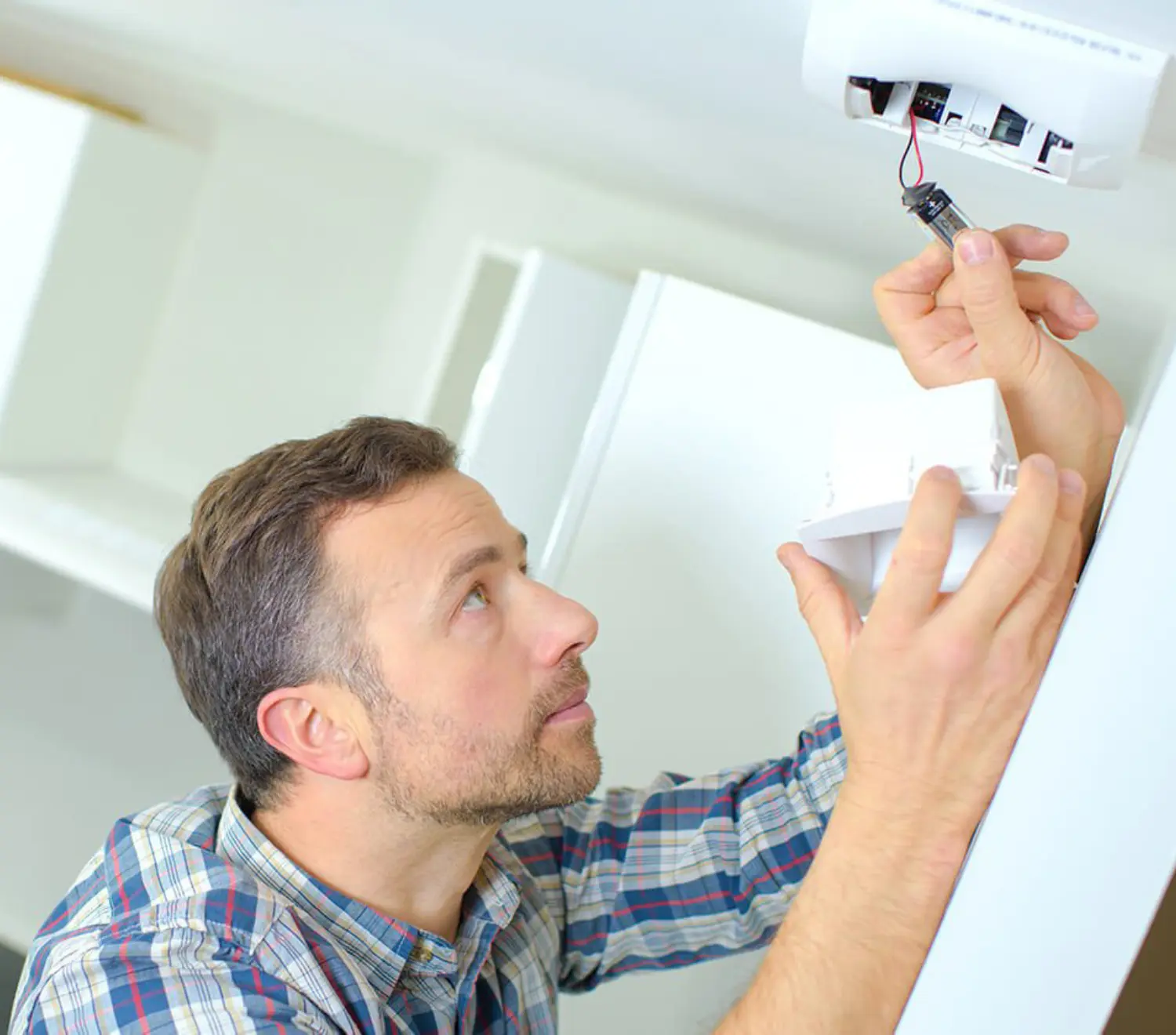
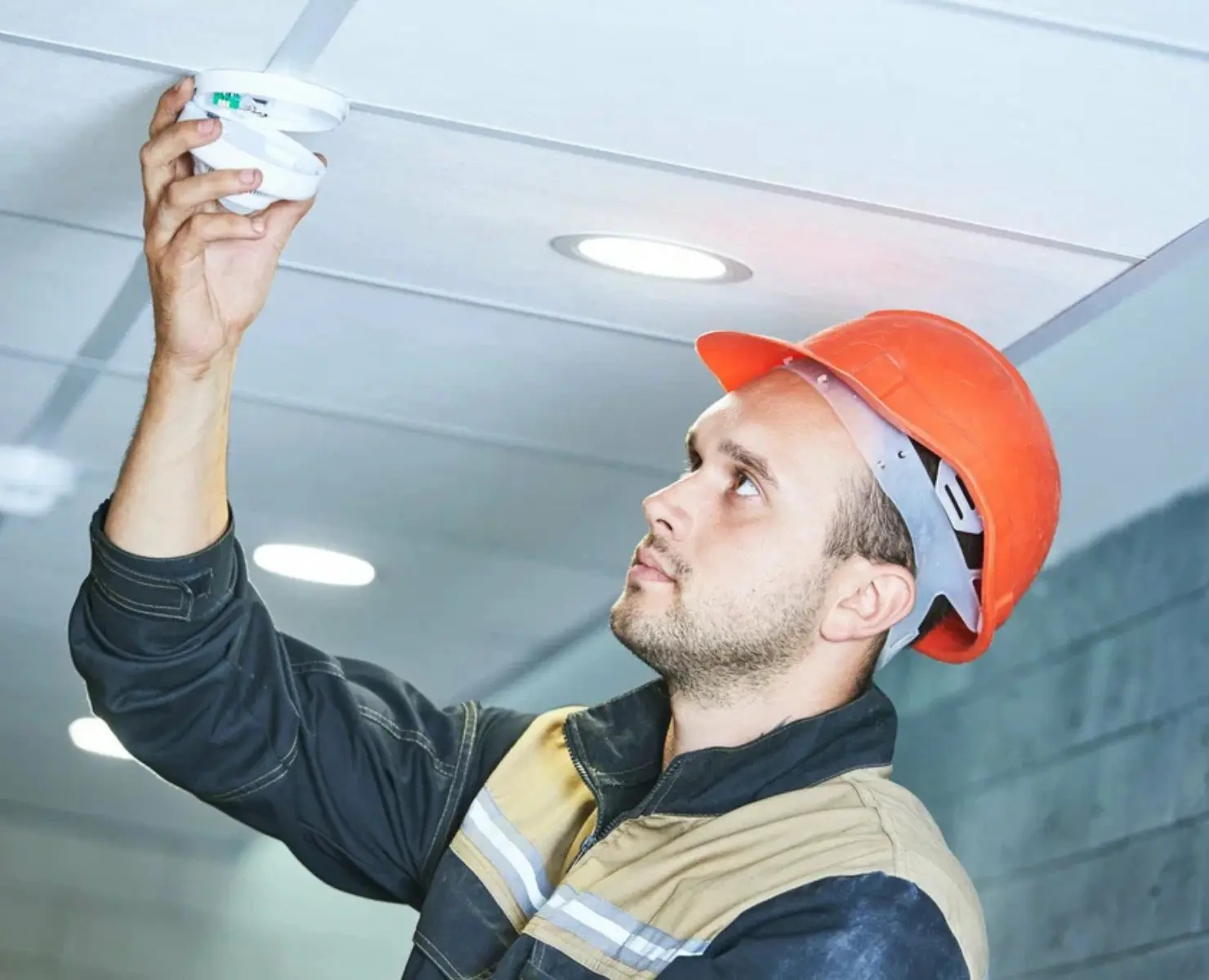
Electrical faults don’t heal, they escalate. Call when you notice any of these:
- Chirping that never quits. Usually a dying battery, sometimes a failing unit signaling end of life.
- Nothing happens when you press test. The detector is dead or its power is cut. Treat it as no protection at all.
- Alarms with no smoke. Dust in the sensing chamber, insects, or a degrading sensor. On heavy wildfire smoke days along the Front Range, detectors near open windows and swamp coolers can trigger too, we can relocate or adjust those.
- Any detector past ten years old. Check the manufacture date on the back. Sensors degrade even when the test button still beeps.
- Weak or delayed alarm sound. A quiet alarm won’t wake anyone through a closed door.
Reasons of Fire Alarms Stop Working
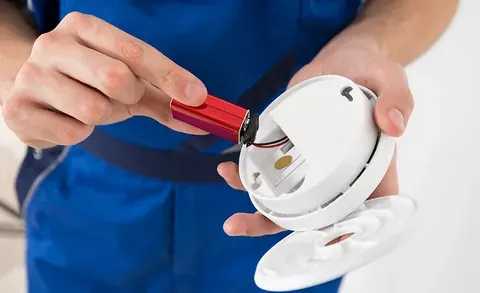
Battery Failure: Power runs out gradually. Most detectors need battery changes every six months.
Sensor Contamination: Dust clogs detection chambers and causes both missed fires and false alerts.
Component Aging: Sensing technology degrades after a decade even when detectors seem normal.
Electrical Issues: Wiring problems cut power to hardwired detectors and leave properties unprotected.
Commercial Fire Alarm Services Denver
Commercial fire alarm service covers the detection and notification devices a business is required to keep working: smoke and heat detectors, carbon monoxide alarms, and the emergency and exit lighting that fire inspectors check on every visit. Commercial spaces answer to stricter rules than homes, Denver Fire Department inspects businesses on a recurring cycle, and a dead detector or dark exit sign shows up as a violation with a correction deadline attached.
Popular Questions
Frequently Asked Questions
Press the test button monthly and have the system checked annually. A yearly visit catches dead backups, contaminated sensors, and expired units and gives landlords the documentation Denver rental inspections ask for.
Hardwired detectors switch to their backup batteries automatically, and battery units are unaffected. The system keeps working through an outage as long as the backups are alive, which is one of the things an annual check confirms.
Hardwired with battery backup is the better system. It never depends on someone remembering batteries, and it supports interconnection so every alarm sounds together. Battery units make sense where running wire isn't practical, and Colorado requires those to be sealed ten-year models in most cases.
Count one for each bedroom, one for each hallway outside sleeping areas, and one per level, including the basement. A typical three-bedroom two-story home needs six at minimum. We confirm the count on site, since split levels and long hallways sometimes need more.
Whole-home installations and hardwiring new locations get a written per-project price after we see the layout. You approve the number before any work starts.