
Circuit Breaker Repair Denver: Professional Electrical Solutions
A breaker that keeps tripping usually means overloaded circuits, worn contacts, or an aging panel, not just a bad switch. Our professional electricians in Denver find the real cause, then repair the breaker or upgrade your panel so the trips stop for good.
How We Check Circuit Breaker Issues
We use special tools to check your electrical system, testing power levels, seeing how much electricity flows through, and finding problems. We test each breaker’s speed, look for burnt wires, and trace lines to spot shorts or faults. This detailed checking helps us fix the real issue, not just cover it up.
By the time we’re done, we know exactly what’s causing the problem, whether it’s the breaker, the wiring behind it, or a panel that’s simply asking for more power than it’s built to handle. That matters because replacing a breaker on a panel that’s overloaded just means you’ll be calling us again in a few months. We’d rather tell you the truth upfront and fix the actual cause.
Our Circuit Breaker Services
Breaker Troubleshooting & Diagnosis
We figure out why your breakers keep tripping instead of just flipping them back on. Our testing tools measure power loads, find shorts, and spot worn parts. Most electrical issues have clear causes that show up when we test properly.
Circuit Breaker Replacement
Burned breakers, old models, and damaged units get replaced with the right components. We match what your system needs and check that everything works before leaving. We also test nearby breakers to catch issues early.
New Circuit Installation Denver CO
Adding circuits gives you separate power lines for kitchen gear, home offices, workshops, and entertainment setups. We run new wiring from your breaker box, add proper protection, and hook everything up to Denver electrical codes. Each circuit installation Denver CO gets designed around what you actually need.
Circuit Overload Solutions
When you’re pulling too much power through one circuit, we spread out the load or add more capacity. Newer homes use way more electricity than old wiring was built for. We check what you’re actually using and fix it so circuits don’t overload.
Emergency Circuit Repairs
Sparking breakers, burning smells, and total power loss need quick action. We handle urgent problems that threaten safety or shut down your business. Our trucks carry common breaker types, so we can fix most issues the same day.

What Causes Circuit Breakers to Fail in Denver?
Circuit breaker failure in Denver often comes down to the climate as much as the equipment itself. The wide swing between hot days and cold nights causes wiring connections inside the panel to expand and contract repeatedly, which loosens them over time. Add in older Denver homes with wiring that wasn’t built for today’s power loads, and you’ve got breakers working harder than they were ever designed to.
The most common causes of circuit breaker problems we see on service calls include:
- Temperature changes loosen electrical connections
- Old wiring can’t handle modern power loads
- Water drips into breaker boxes
- Breaker components wear out over time
- Too many devices overload circuits
A breaker that trips occasionally isn’t usually an emergency. One that trips constantly, feels warm to the touch, or won’t reset at all is a sign of breaker failure that needs to be checked before it turns into a bigger electrical problem.
Protecting Your Denver Property with Good Circuit Protection
Breakers are your home’s main defense against electrical fires and equipment damage. When they’re working properly, they cut power the instant wiring overheats or a short starts to spark, before it turns into something worse. Our circuit breaker repair in Denver restores that protection and often improves how your whole system performs, not just the one breaker that was causing trouble.
Denver’s older housing stock and unpredictable weather mean circuits here work harder than in most cities. That’s exactly why we check the whole system during every repair, not just the breaker you called us about, so small issues don’t turn into bigger safety risks down the line.
What Makes Breakers Trip and How We Fix It
Every trip has a specific cause. Finding it is what separates a real repair from just resetting the breaker and hoping it doesn’t happen again.
Overloaded Circuits:
Too many devices on one circuit pull more power than it can handle. We measure what you’re using and either move things around or add new circuits.
Short Circuits:
Hot wires touching neutral wires or ground send huge amounts of power flowing and trip the breaker fast. We trace wiring to find bad insulation or loose wires causing the short.
Old Breakers:
Breakers weaken with age and repeated tripping. The internal components lose their calibration and start tripping at lower loads than they’re rated for, even when nothing’s actually wrong. At that point, repair isn’t the fix.
Common Signs You Need Circuit Breaker Repair
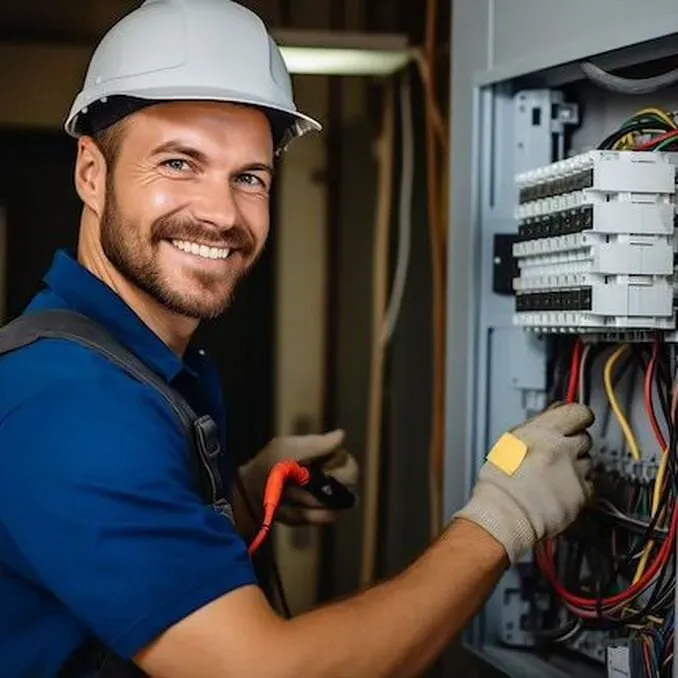
Your electrical panel usually gives warning signs before a breaker fails completely. Catching them early is the difference between a simple repair and an electrician showing up after something’s already gone wrong.
Watch for these warning signs:
- Breakers that trip whenever you use a specific appliance
- Breaker switches that feel warm or hot to the touch
- A burning smell coming from your electrical panel
- Lights that dim or flicker when equipment starts up
- Outlets that stay dead even after resetting the breaker
If you notice a burning smell or a breaker that’s hot to the touch, turn off power at the main panel and call an electrician right away. That’s not a wait-and-see situation. The other signs are worth having checked soon, even if the breaker is still resetting normally for now.
How We Install Circuit Breakers Without Wrecking Your Walls
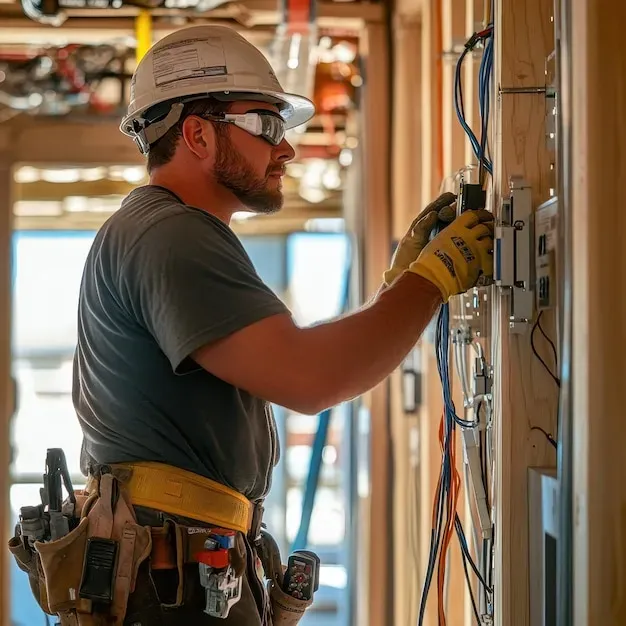
We plan before we start cutting. Check the panel, figure out the route, and run wires through existing spaces. Basement joists, attic runs, fishing through walls—whatever keeps damage minimal. Small drywall cuts get patched. Every connection gets tested before power comes back on. You get working breakers without your house looking like a construction zone.
Plan Smart Routes: We map wire paths that avoid tearing up walls unnecessarily.
Use Existing Pathways: Wires run through joists, attics, and wall cavities you already have.
Patch What We Open: Any drywall we cut gets fixed before we leave.
Test Every Connection: We check circuits as we work so nothing fails later.
Why Circuit Problems Get Worse When You Wait
Small electrical issues turn into bigger ones. A loose connection makes heat that damages nearby parts. That small buzzing breaker eventually quits completely, usually at the worst time. Breakers that don’t trip right stop protecting your wiring. Hot wires melt insulation and create fire risks inside your walls. Money you save by waiting usually gets spent on bigger repairs later.
Popular Questions
Frequently Asked Questions
Depends on what needs fixing. Swapping out a single breaker costs way less than running brand new circuits. We look at your setup first and tell you the price before touching anything.
Breaker boxes have live power running through them that's not DIY territory. Denver also requires permits and inspections for this stuff. Getting pros to handle it means the work's safe and passes code.
Installing brand new circuits with wiring takes a couple of hours based on wire distance and wall conditions. We give you a real timeline after checking out your place.
Usually it's overloaded circuits, short circuits, ground faults, old breakers, or loose connections. We find the real problem rather than just resetting it every time it trips.
Breakers tripping all the time, Adding big appliances, Got old wiring. Might be time for new circuits. We check what your system can handle now and let you know if upgrades make sense.