
Electrical Outlet Installation Denver, CO
More devices, same old outlets, every Denver home hits that wall eventually. Fix Electrical Panel installs new outlets across the metro, from a single bedroom receptacle to whole-room additions and dedicated appliance circuits, all wired to code and priced in writing before work starts.
The Two-Prong Problem in Older Denver Homes
If your house still has two-prong outlets, common in older neighborhoods like Baker, Berkeley, and Congress Park, the wiring behind them has no ground, and code doesn’t allow simply swapping a three-prong outlet onto an ungrounded circuit. That swap looks like an upgrade and gives you a false sense of protection.
You have three legitimate options. Run a ground to the outlet, which is the full fix. Install GFCI protection on the ungrounded circuit, which code permits with the outlets labeled “No Equipment Ground,” a real safety improvement at a lower cost. Or rewire the circuit entirely, which makes sense when the wiring itself is at the end of its life. We’ll tell you which fits your house after looking, not before.
Our Electrical Outlet Installation Services are
Standard and Tamper-Resistant Outlets
New receptacles wherever you’re short on power. Code now requires tamper-resistant outlets in homes, the ones with internal shutters that block anything that isn’t a plug, so that’s what goes in.
GFCI Outlet Installation
GFCI protection cuts power in a fraction of a second when current leaks toward the ground, which is why code requires it in kitchens, bathrooms, garages, and outdoors. We install them where required and anywhere else water and electricity share a room.
USB Outlet Installation
Standard plugs with USB ports built in, so phones and tablets charge without adapters. Most useful at nightstands, kitchen counters, and desks.
Outdoor Outlet Installation
Weather-resistant receptacles with in-use covers that seal even with a cord plugged in, which matters through a Colorado winter. We add them to patios, decks, garages, and eaves for holiday lighting.
Smart Outlet Installation
Control power from your phone, schedule lamps and appliances, and track energy use. We wire them in and confirm they pair with your setup before we leave.
Installing New Outlets or Fixing Failing Ones?
This page covers adding outlets. If an existing outlet is warm to the touch, sparking, loose-gripped, or dead, that’s a fault to diagnose, not a spot for a new receptacle, and it’s covered on our electrical repair page. The distinction matters because a failing outlet usually signals a connection or circuit problem that a new outlet alone won’t cure.
Warning Signs You Need New Outlet Installation
Old outlets create actual problems. Plugs that won’t stay in, outlets getting hot, burn marks showing up these mean you need new ones. This isn’t just bothersome stuff, it’s dangerous and needs fixing right away.
- Outlets feel warm or hot to the touch
- Plugs fall out or don’t stay in place
- You see scorch marks or discoloration around outlets
- Outlets spark when you plug something in
- Outlets don’t work at all or work intermittently
- You smell burning near an outlet

Common Causes of Outlet Problems
Outlets quit working for all kinds of reasons. Some just get old and worn out while others break from damage, too much power drawn through them, or water getting inside. Knowing what makes outlets fail helps you catch problems before they turn dangerous.
What usually goes wrong:
- Too many devices plugged can overheat and burn out the outlet
- Water from leaks or humidity gets inside and corrodes components
- Wires connected poorly or that came loose create heat and failures
- Power surges or lightning strikes fry internal parts
How We Handle Electrical Outlet Installation
Our Denver electricians start by listening to your needs and examining your electrical system. We would locate the correct places of new outlets and ensure that your circuits are up to date.
Assess the Circuit First
New outlets draw from existing circuits, so we check capacity and wiring condition before adding load. If the circuit is near its limit, or the appliance needs its own, we tell you upfront and quote the dedicated line as its own number.
Clean Installation
Power off, boxes set, wiring stripped and terminated to the screw terminals, not backstabbed, because push-in connections are the loose-connection failures of the future. Where wall fishing is needed, we route through basements, attics, and cavities, and patch any opening we make.
Testing and Verification
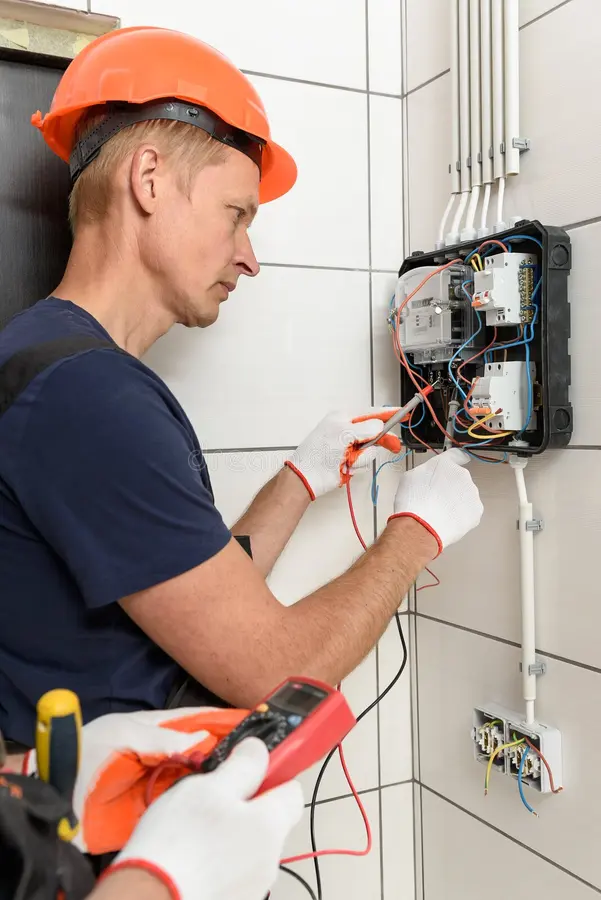
We test every outlet with meters and testers. We check voltage is right, ground connections work, and GFCI outlets trip when they should. You get outlets that work and meet inspection requirements.
Popular Questions
Frequently Asked Questions
Often, yes. Unfinished basements and attic access let us fish cable to most first-floor and top-floor locations with little or no cutting. When an opening is unavoidable, we keep it small and patch it before we leave.
Yes. We wire them, connect them to your home network, and confirm scheduling and remote control work before the visit ends.
Not directly, code prohibits putting a grounded outlet on ungrounded wiring. The compliant paths are grounding the circuit, installing GFCI protection with the required "No Equipment Ground" labeling, or rewiring. Each is a different price, and we'll tell you which your circuit actually needs.
There's no fixed number for homes, it depends on what the outlets will power. A bedroom circuit can carry many lightly used receptacles, while a kitchen counter, space heater, or workshop tool can max out a circuit alone. That's why we assess load first and why some additions are quoted as new circuits.